
Ashwagandha benefits include support for stress management, sleep quality, and overall wellness, which is why this Ayurvedic herb has been used traditionally for centuries. In recent years, it has gained global attention due to increasing scientific interest in its potential health benefits.
However, Ashwagandha is not a miracle herb. Its effects depend on factors such as dosage, quality, timing, and individual health conditions. This guide explains Ashwagandha in a balanced, evidence-aware, and safety-first manner, helping you understand whether and how it may fit into your routine.
Medical Disclaimer:
This content is for educational purposes only and should not be considered medical advice. Always consult a qualified healthcare professional before using Ashwagandha or any herbal supplement.
What Is Ashwagandha?
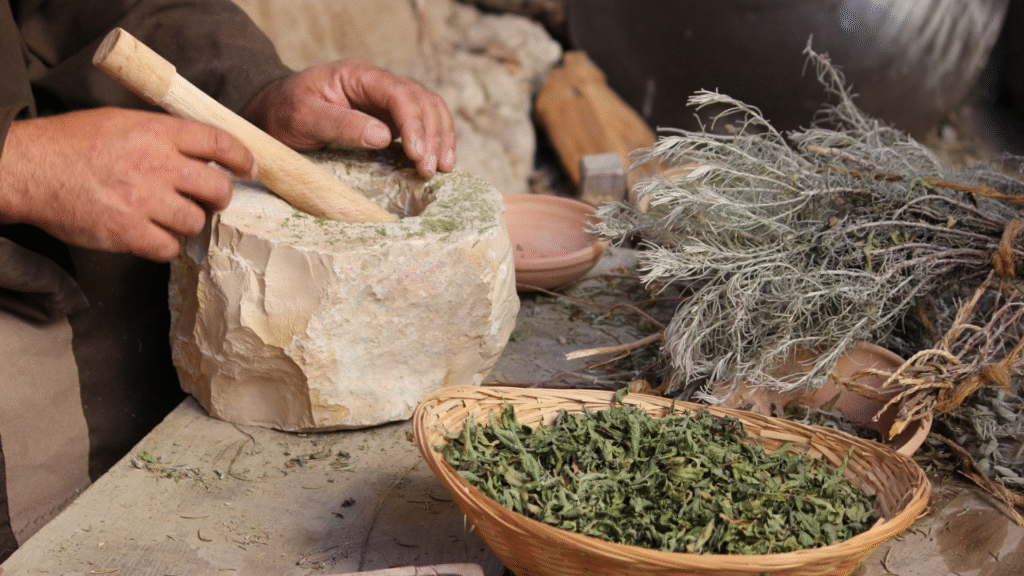
Ashwagandha (Withania somnifera) is a traditional medicinal herb used in Ayurveda for centuries. It is commonly classified as an adaptogen, meaning it may help the body respond to physical and mental stress more effectively.
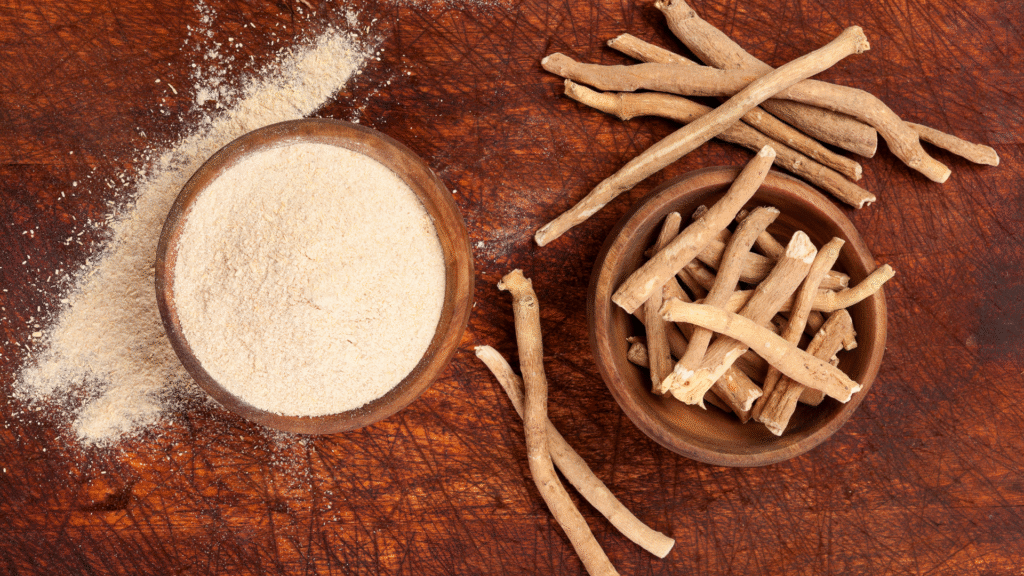
The root of the Ashwagandha plant is most commonly used, either in powdered form or as a standardized extract. Its primary active compounds, known as withanolides, are believed to contribute to its biological effects.
👉 Read in detail:
What is Ashwagandha and how it works in the body
Ashwagandha Benefits: What Research Suggests
Scientific studies suggest that Ashwagandha may offer certain health-supporting benefits when used responsibly. These benefits are not guaranteed and can vary from person to person.
Commonly researched benefits include:
- Support for stress and anxiety management
- Improved sleep quality in stressed individuals
- Regulation of cortisol (stress hormone) levels
- Support for physical recovery and energy levels
- Possible support for focus and mental clarity
It is important to note that Ashwagandha should not be viewed as a treatment or cure for medical conditions.
Ashwagandha Dosage: How Much Is Safe?
There is no universal dosage suitable for everyone. The appropriate Ashwagandha dosage depends on age, health condition, and purpose of use.
Most clinical studies commonly use:
- 250–600 mg per day of standardized Ashwagandha extract
Beginners are usually advised to start with a lower dose and observe how their body responds before increasing intake.
👉 Complete guide:
Ashwagandha dosage guide by age and health goal
Ashwagandha Side Effects & Safety Considerations
Ashwagandha is generally considered safe for many people when used in recommended amounts. However, side effects may occur, particularly with high doses or long-term use.
Possible side effects include:
- Digestive discomfort
- Nausea or diarrhea
- Drowsiness
- Headache
Rare adverse reactions have also been reported, highlighting the importance of using high-quality supplements and following safe dosage guidelines.
Who Should Avoid Ashwagandha?
Ashwagandha may not be suitable for everyone. Certain individuals should avoid its use or consult a healthcare professional before taking it.
This includes:
- Pregnant or breastfeeding women
- People with thyroid disorders
- Individuals with autoimmune conditions
- Those taking medications for blood pressure, diabetes, or mental health
Best Time to Take Ashwagandha
The best time to take Ashwagandha depends on individual goals and tolerance:
- Evening or before bed: commonly used for stress and sleep support
- Morning: sometimes preferred for energy and focus
- Often taken with food to reduce digestive discomfort
👉 Detailed timing guide:
Best time to take Ashwagandha – morning or night?
How Long Does Ashwagandha Take to Work?
Ashwagandha does not provide immediate results. Most people may notice gradual changes after 2–4 weeks of consistent use. The timeline can vary based on dosage, quality, and individual response.
If no noticeable effects occur after several weeks, discontinuing use or seeking professional guidance is recommended.
How to Use Ashwagandha Safely
To use Ashwagandha responsibly:
- Choose high-quality, third-party tested supplements
- Follow recommended dosage guidelines
- Avoid combining with medications without professional advice
- Stop use if unusual symptoms occur
Trusted health organizations advise caution and professional consultation, especially for long-term use.
Ashwagandha can be a helpful herbal supplement for some individuals when used with realistic expectations and proper safety measures. Understanding its benefits, dosage, side effects, and limitations is essential before making it part of your wellness routine.