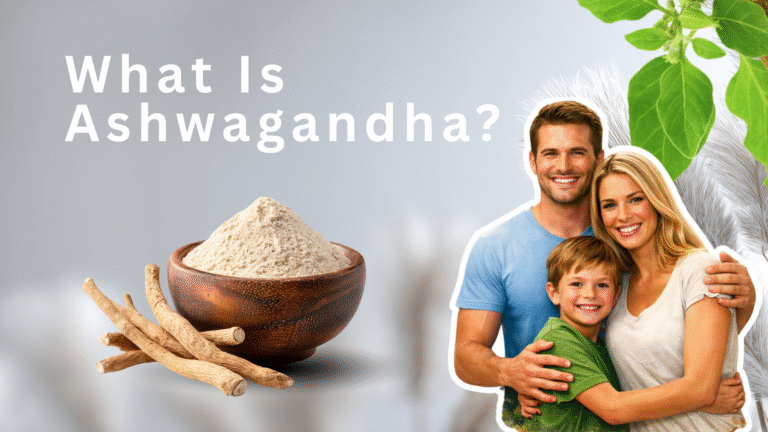
What is Ashwagandha? Ashwagandha is a traditional Ayurvedic herb used for centuries to support balance, stress management, and overall wellness.The name “Ashwagandha” comes from Sanskrit, meaning “smell of a horse,” traditionally associated with strength and vitality.
In Ayurvedic practice, the root of the plant is most commonly used, though leaves are used in some traditional preparations. Today, Ashwagandha is available in various forms, including powders, capsules, and standardized extracts.
Origin and Traditional Use in Ayurveda
In Ayurveda, Ashwagandha is classified as a Rasayana herb. Rasayanas are traditionally associated with rejuvenation, balance, and long-term well-being.
Historically, Ashwagandha has been used in formulations aimed at:
- Supporting resilience during physical or mental stress
- Promoting restorative sleep
- Supporting strength and endurance
- Maintaining general vitality with age
It is important to note that traditional Ayurvedic use does not automatically translate into modern medical treatment, but it provides historical context for why the herb remains widely studied today.
Understanding what is Ashwagandha helps set realistic expectations about its traditional use, modern relevance, and safety.
Active Compounds in Ashwagandha
Ashwagandha contains several naturally occurring compounds that are believed to contribute to its biological effects. The most studied among these are withanolides.
Key compounds include:
- Withanolides – steroidal lactones studied for stress and inflammation-related mechanisms
- Alkaloids – naturally occurring plant compounds
- Saponins – compounds found in various medicinal plants
Modern supplements often use standardized root extracts, which are designed to provide a consistent withanolide content.
👉 Dosage and extract strength explained here:
Ashwagandha dosage guide by age and health goal
Why Ashwagandha Is Called an Adaptogen
Ashwagandha is commonly described as an adaptogen, a term used for substances that may help the body adapt to stressors.
Adaptogens are generally characterized by:
- Supporting balance rather than overstimulation
- Working gradually over time
- Affecting multiple systems instead of targeting one symptom
This does not mean Ashwagandha works instantly or the same way for everyone. Its effects, if any, are typically subtle and depend on consistent use, dosage, and individual response.
Forms of Ashwagandha Available Today
Ashwagandha is available in multiple forms, each with different characteristics:
Ashwagandha Root Powder
- Traditional form
- Lower concentration
- Often mixed with warm milk or water
Ashwagandha Extract
- More concentrated
- Standardized for withanolide content
- Commonly used in research studies
Choosing the right form depends on personal preference, tolerance, and guidance from a professional.

Is Ashwagandha Natural and Safe?
Ashwagandha is a natural herb, but natural does not always mean risk-free. Safety depends on factors such as dosage, duration of use, and individual health conditions.
Some people may experience side effects or interactions, especially when taken in high doses or alongside medications.
👉 Important to read before use:
Ashwagandha side effects and safety concerns
How Ashwagandha Fits Into Modern Wellness
Today, Ashwagandha is commonly discussed in relation to stress management, sleep support, and general wellness routines. Ongoing scientific research continues to explore its mechanisms and limitations.
Health organizations emphasize the importance of:
- Evidence-based use
- Cautious interpretation of claims
- Professional consultation for long-term or therapeutic use
Ashwagandha is originally a medicinal plant, but today it is more commonly consumed as a dietary supplement. Traditionally, the root of the plant was dried and ground into powder for use in Ayurvedic preparations. Modern supplements often use standardized extracts for consistency.
Whether consumed as a plant-based powder or a supplement, understanding what is Ashwagandha and how it is processed is important for responsible use.
Ashwagandha is a traditional Ayurvedic herb with a long history of use and growing scientific interest. Understanding its origin, compounds, and traditional context helps set realistic expectations and supports responsible use.